5 Easiest Roofing Products for First-Time DIY Roofers
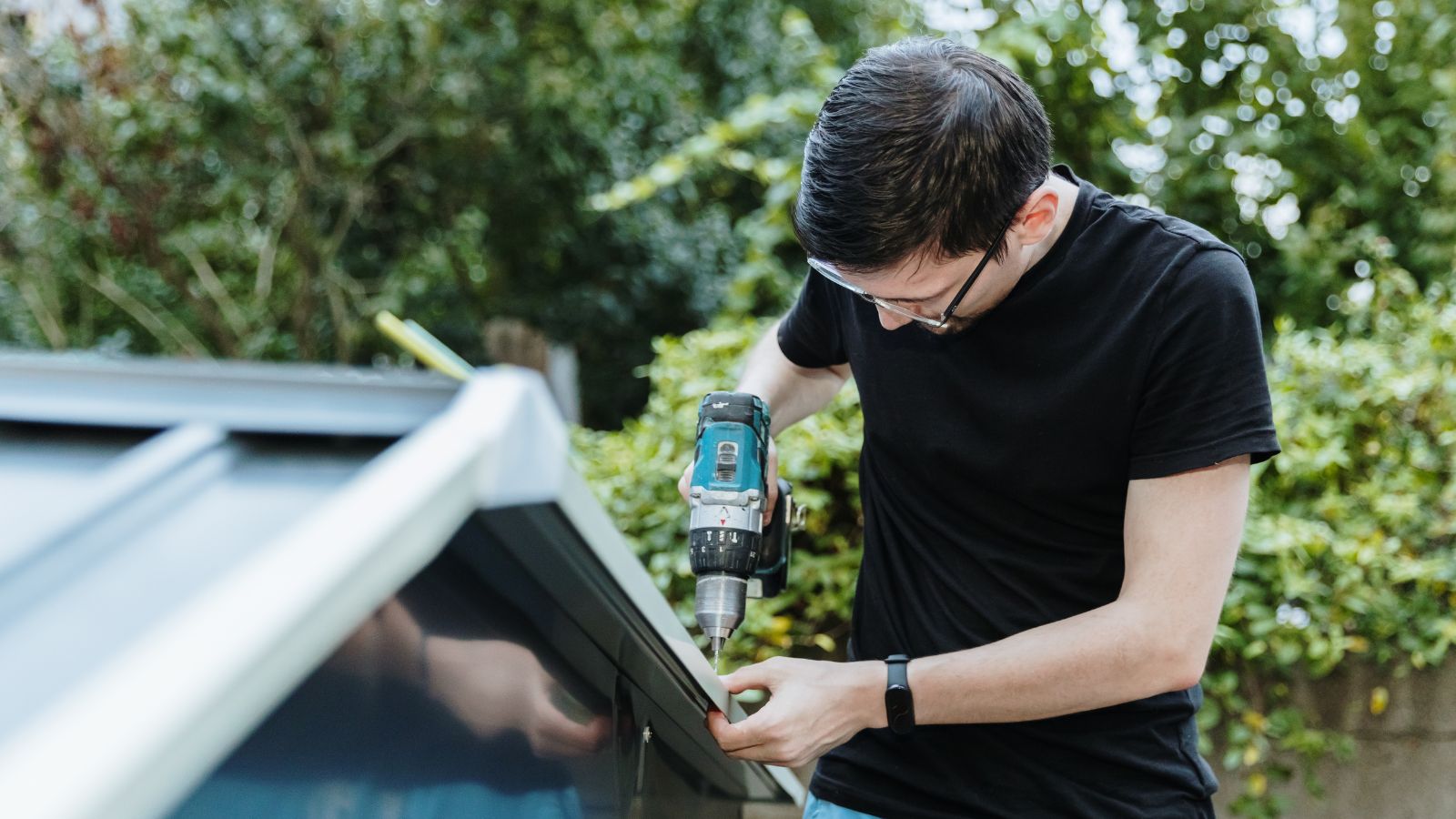
There are many roofing jobs that are best left to the professionals – house roofs, large garages, anything that needs scaffolding or structural work.
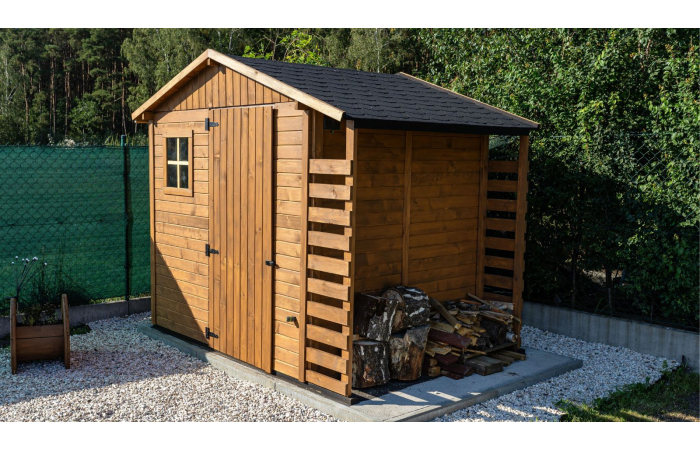
But not every project is that complex. If you're looking to re-roof a shed, lean-to, greenhouse or other garden building, there are some roofing products that are especially well-suited to these types of smaller projects, even if you're a beginner.
Of course, it still depends on your confidence with tools and planning - unfortunately the materials can’t do all the work for you!
But overall these are fairly lightweight, simple to handle and can usually be installed with basic DIY kit, making them some of the most realistic options for many first-time projects:
1. Shed Roof Felt (Bitumen Rolls)
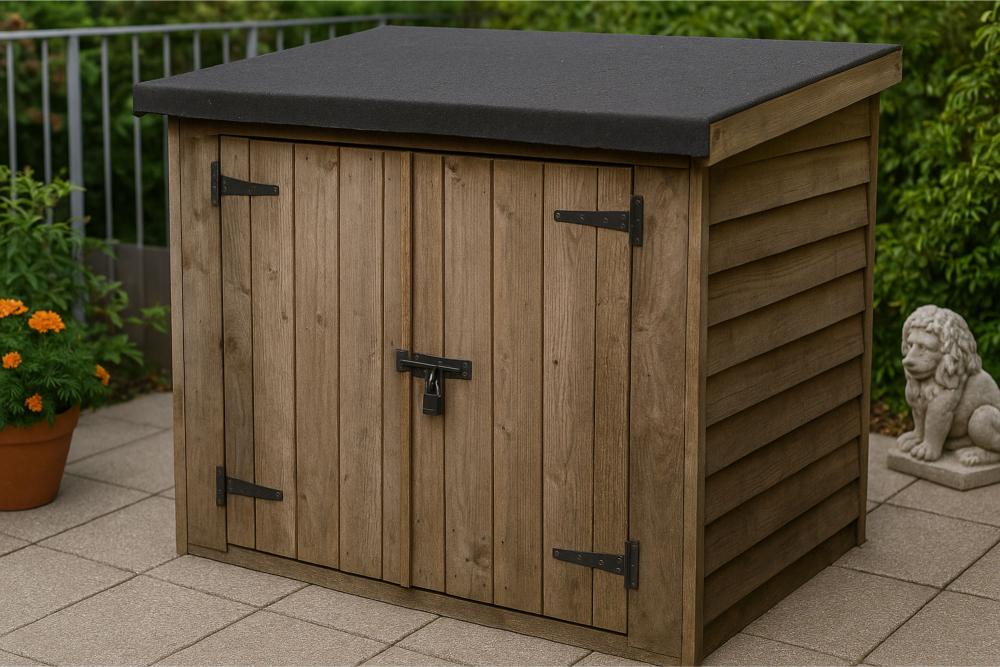
Why it’s great for beginner DIY:
- Comes in rolls, light enough to carry and cut with a Stanley knife.
- Fixed with nails or adhesive - no specialist tools needed.
- Quick to cover simple pent or apex roofs.
Ideal for: Standard garden sheds and storage buildings.
Watch out for:
- Lifespan is usually 5–10 years, so it won’t last forever.
- Edges can lift if you don’t use enough fixings or sealant.
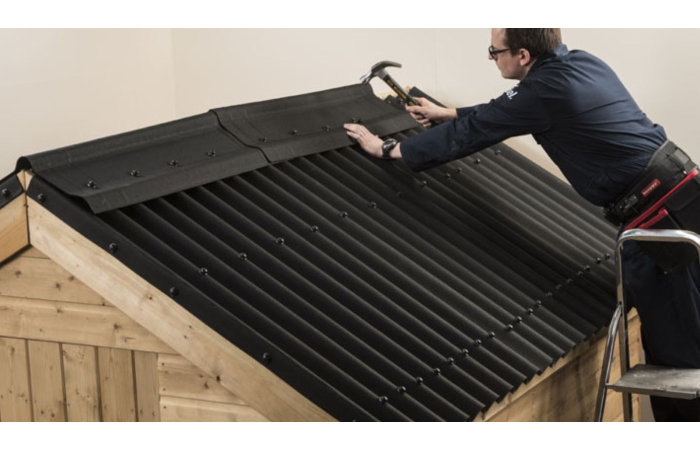
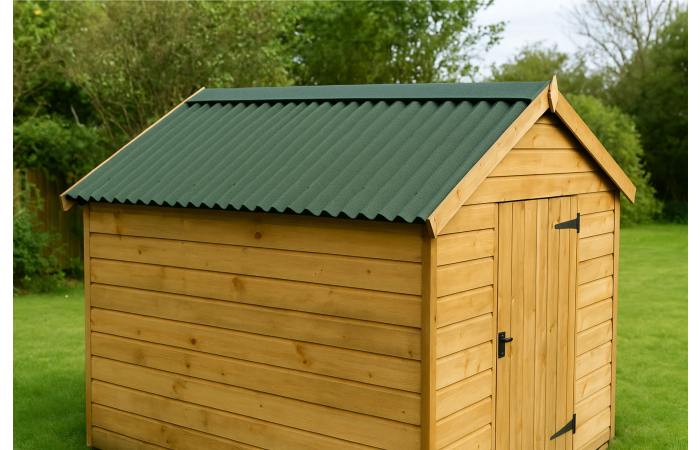
2. Corrugated Bitumen Sheets
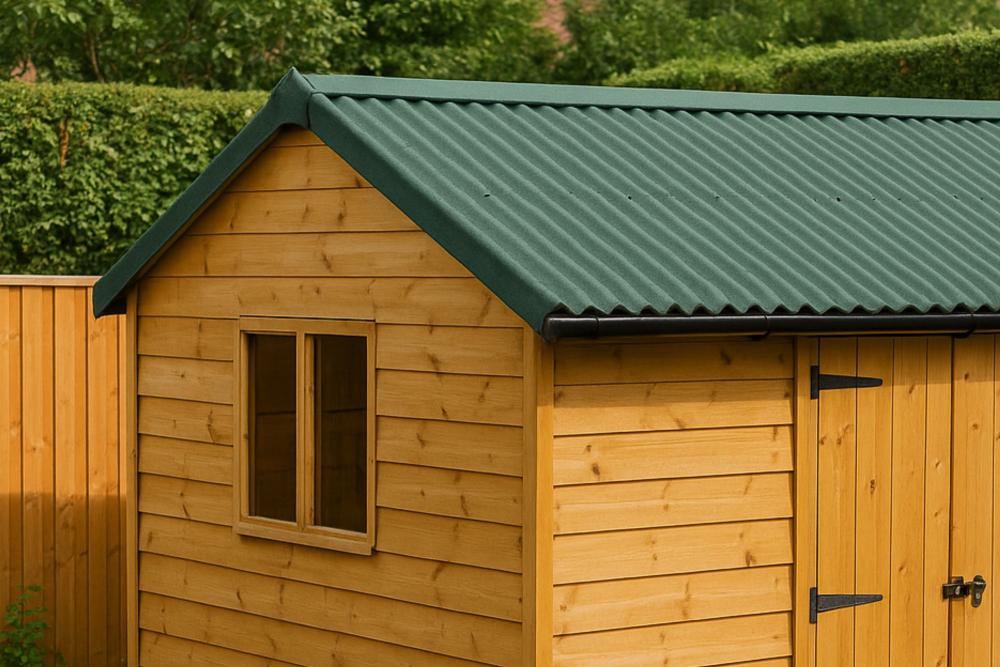
Why it’s great for beginner DIY:
- Much lighter than metal or fibre cement sheets.
- Overlap system is simple to understand.
- Cut with a hand saw — no power tools required.
Ideal for: Sheds, garages, log stores and small workshops.
Watch out for:
- Needs the correct fixings with caps/washers to stay watertight.
- Always lay sheets with the overlap facing away from prevailing wind.
Check out our DIY installation guide for corrugated bitumen roof sheets here.
3. Bitumen Felt Shingles
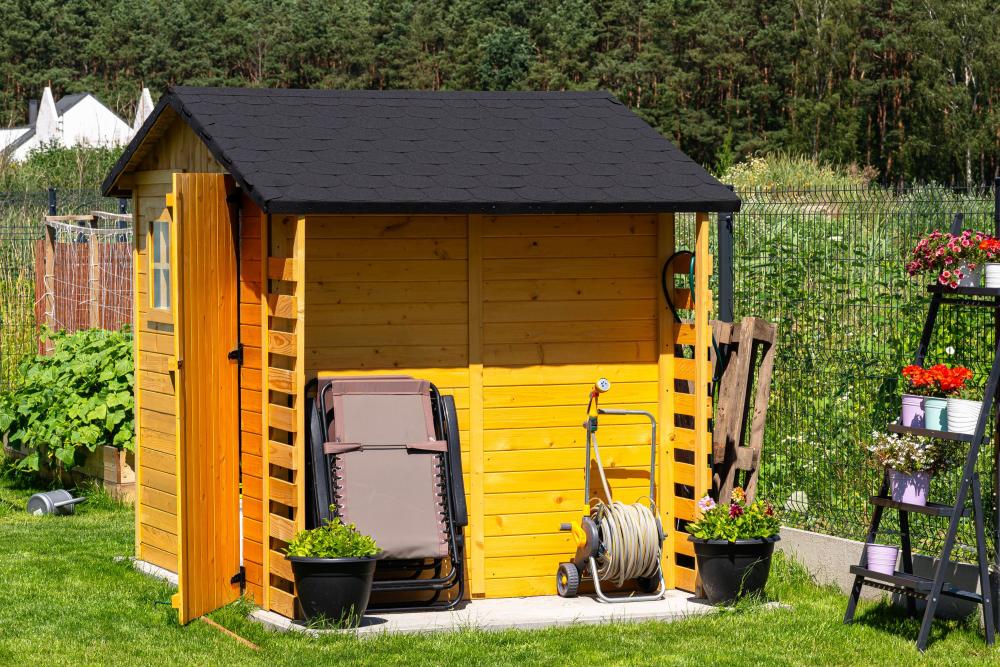
Why it’s great for beginner DIY:
- Supplied as strips of “tiles” that are cut with a knife.
- Fixed with nails or adhesive, forgiving if slightly misaligned.
- Creates a neat tiled effect without the weight of real tiles.
Ideal for: Playhouses, small sheds, decorative garden projects.
Watch out for:
- Lifespan shorter than sheets or synthetic tiles.
- Vulnerable to lifting in exposed sites if not fixed carefully.
4. Polycarbonate Sheets
Why it’s great for beginner DIY:
- Extremely light and easy to carry into place.
- Cuts with a fine saw, overlaps neatly.
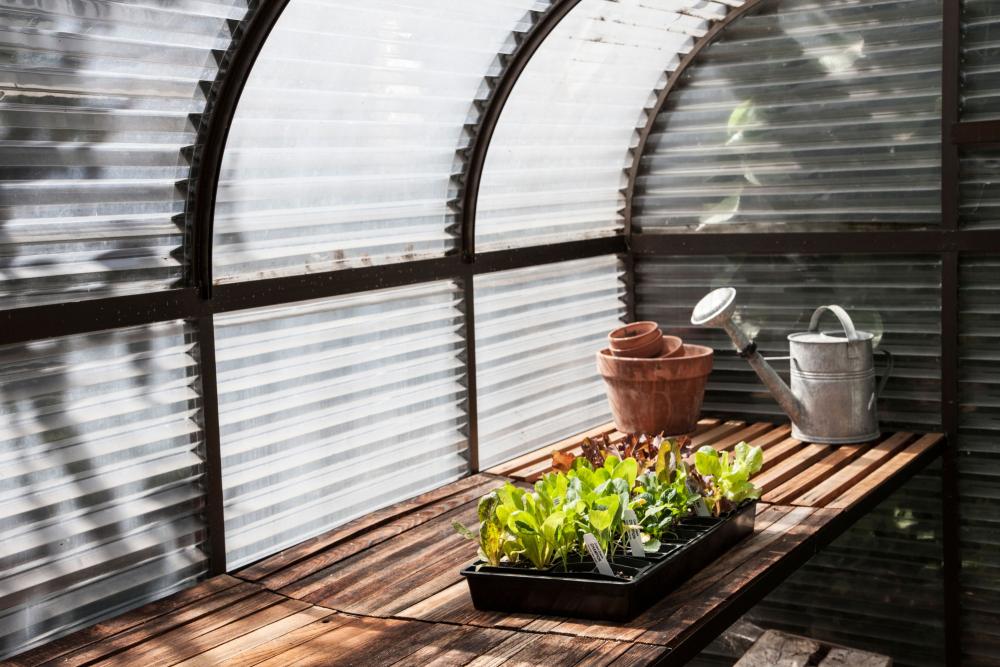
- Lets natural light through — ideal for gardening spaces.
Ideal for: Greenhouses, pergolas, lean-tos and covered walkways.
Watch out for:
- Needs close support from rafters or purlins to prevent sagging.
- Drill oversized holes for fixings and use special capped screws with gaskets that allow the sheet to move – thermal expansion is one of the most common causes of failure
- Edges can crack if handled roughly.
5. Lightweight Synthetic Tiles
Why it’s great for beginner DIY:
- Designed for DIY - interlock cleanly, fitted one by one.
- Light to handle compared with concrete or clay.
- Transform a shed or garden room into a feature.
Ideal for: Upgrading sheds, garden rooms, or small extensions.
Watch out for:
- Higher upfront cost but often worth it
- Usually require a fully boarded base.
What about metal roof sheets, are they good for DIY beginners?
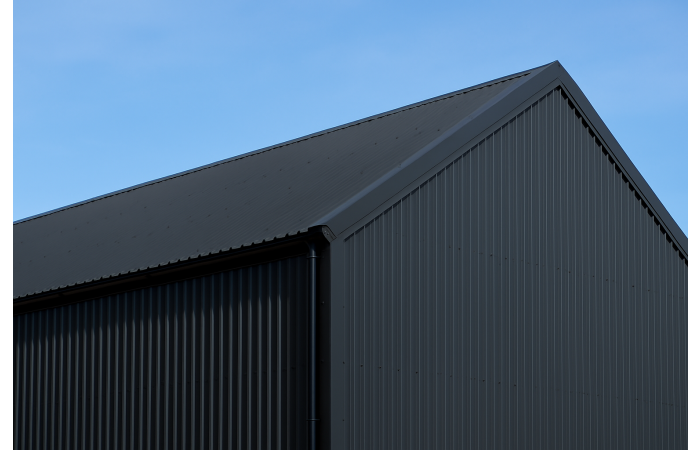
No, not really - metal sheets are a solid roofing option for things like larger agricutural buildings, but they’re not usually the right choice for small DIY shed projects (or similar). The sheets are heavier and often not suitable for basic timber frames, they can be harder to handle single-handed and installation often needs more care than bitumen or felt.
It's not impossible but for most first-time roofing DIYers, lighter materials like felt, bitumen or polycarbonate are a much more practical fit. Learn more about metal roof sheet installation here for more details.
Where to next?
If you’re new to roofing, start with a small project and a material that won’t punish small mistakes. Felt and bitumen products are the easiest first step, while polycarbonate and lightweight tiles are great if you want a more lasting or attractive finish.
Whatever you choose, always follow the manufacturer’s guidance, use the right fixings and never climb onto the roof.
Check out more of our beginner roofing guides below.