Beginners Guide to Shed Roofing & What DIYers Need to Know Before Re-Covering
If your shed roof has had it and you’re thinking about DIY re-roofing but have little to no experience, this guide will help you work out what’s involved - from checking whether the structure is sound and getting to grips with how different shed types can affect roofing choices, to understanding what you can realistically take on yourself.
In this article:
In many cases, re-covering the roof of a shed is a straightforward project that's well within the reach of a DIY enthusiast. Most shed roofs are small, low and simple enough that replacing felt or fitting lightweight bitumen sheets can be a single afternoon job with basic tools.
However, even for a typical garden shed, it's essential to understand the risks and responsibilities. This guide provides information but is not a substitute for professional advice.
Always consider the following before you begin:
-
Safety first: Working at any height can be dangerous. Always use safe equipment and take appropriate precautions to prevent falls and other accidents.
-
Know your rules: You are responsible for ensuring your project and waste disposal comply with all local building and environmental regulations.
-
Use your judgment: If you're unsure about any part of the process or the condition of your shed, please consult a qualified tradesperson.
Before you think about materials, you need to check if the roof structure can take a new covering at all. That means looking at the timber boards underneath the old felt or sheets and the general condition of the shed.
This check needs to include both the roof structure and the inside of the shed - not all damp is caused by rain.
Look at the roof boards:
These are usually OSB or plywood and your new roofing material will be fixed directly to them. They must be:
-
Flat and stable – no sagging, dips or springiness
-
Dry to the touch – from inside or on exposed edges
-
Solid – no soft patches, crumbling or flaking
If the boards are damaged or feel weak, they need replacing before you can install anything new. Never walk or lean on your shed roof, assess carefully from a ladder.
Look for signs of moisture inside the shed:
This is where people sometimes miss problems. Even if your roof isn’t leaking, you can still have damp, especially in winter.
Look for:
-
Black stains, mould or rot on the roof boards – these can often mean a leak from above
-
Damp walls, ceilings or windows – especially in corners or near the ridge
-
Rusty tools, warped wood or a general musty smell
These are most often signs of condensation, not a failing roof. It happens when warm air inside the shed hits the cold underside of the roof and turns to water.
If you’re seeing this:
-
Add ventilation while you’ve got the roof off – simple eaves or ridge vents can make a huge difference
-
Don’t over-seal the new roof without airflow, or you’ll trap moisture again
Do i need shed roof insulation?
Thermal insulation is typically only necessary if your shed is used as a workspace or needs to stay warm. If so, this is the stage to plan it – insulation goes before the new roof and it must include ventilation to avoid aiding or worsening condensation.
This gets asked a lot for sheds - if the roof structure is sound, you can sometimes install new roofing straight over the existing layer - but only in specific cases.
You can often go over the top if:
-
You’re fitting bitumen sheets over old felt
-
The felt is still flat, dry and securely fixed
-
There’s no sign of trapped moisture, mould or loose patches
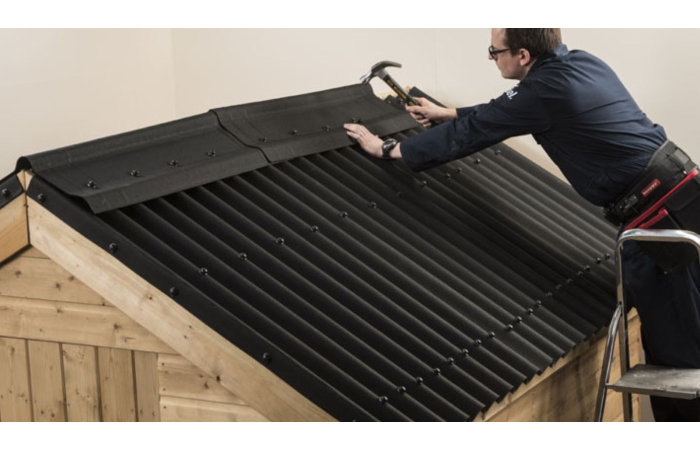
This is a pretty common shed upgrade - you simply fix the new sheets through the old felt into the boards below.
You’ll need to remove the old roofing if:
-
You’re replacing old felt with new or using shingles, or EPDM - these must be fitted to a clean, bare surface.
If you do need to strip off the old roof covering, think ahead about how you’ll get rid of it – you don’t need a pile of wet, torn felt or broken sheets sitting in the garden while you figure out where it can go.
-
Felt - small amounts can usually go in household waste, but a full shed’s worth may need a trip to the tip. Roll it up tight to make it easier to handle.
-
Bitumen or plastic sheets - too bulky for bins. Most recycling centres accept them but always check local rules.
-
Rotten boards - if you’re replacing sections of the roof deck, they’ll need to be taken to the tip as treated wood isn’t always accepted in garden waste.
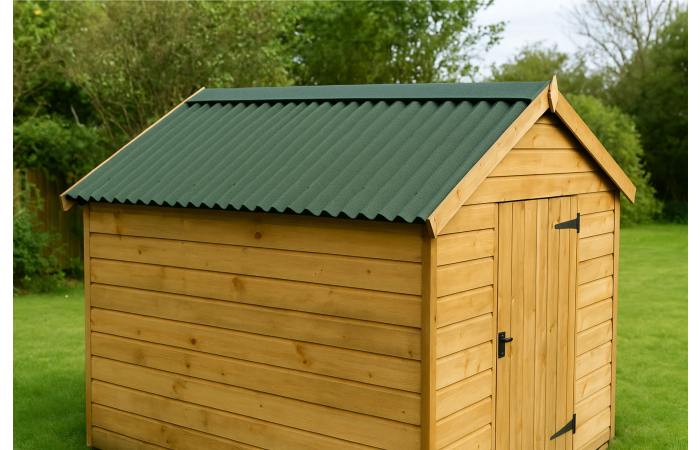
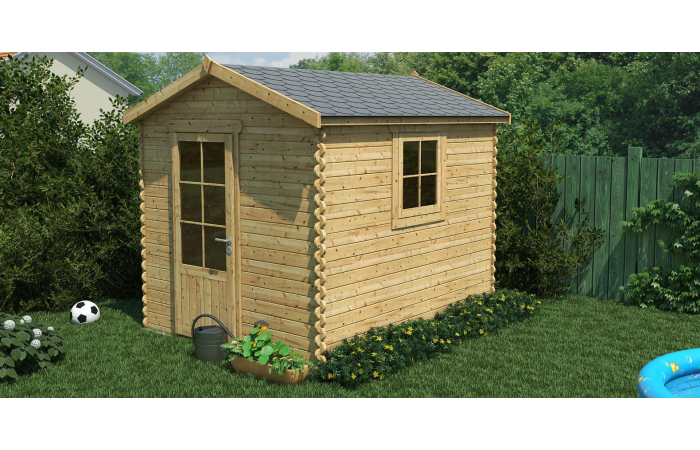
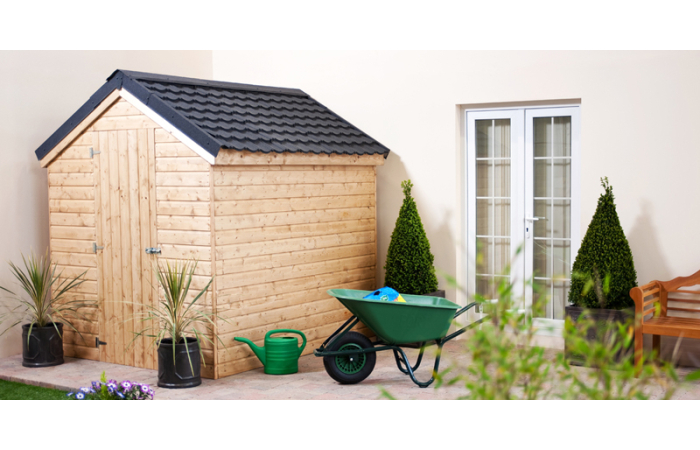
There are 3 shed roof types most commonly used in the UK:
- Pitched roofs are by far the most common for garden sheds:
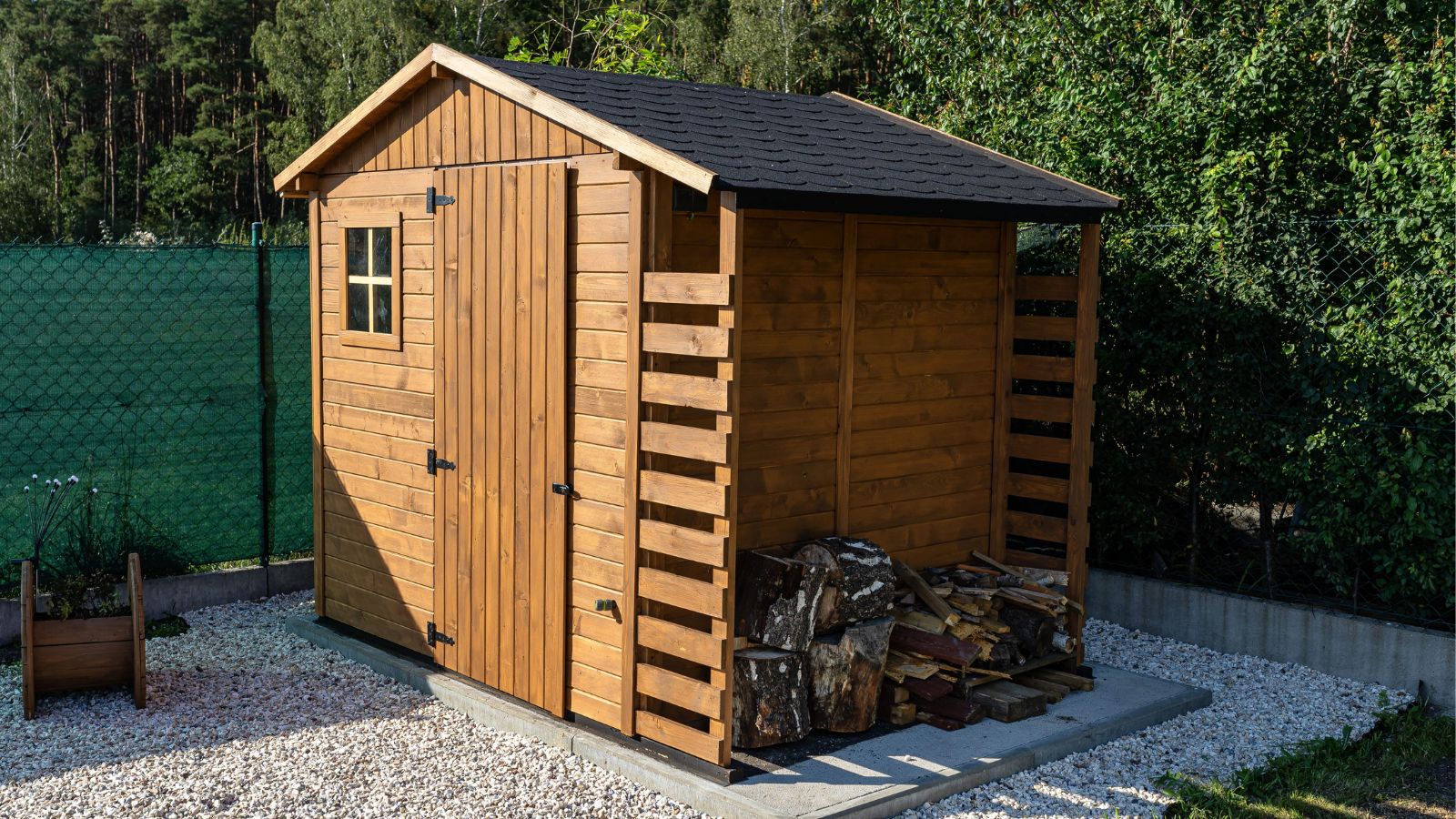
- Apex roofs have 2 equal sloping sides that meet at the top
- Pent roofs have one longer slope
- Flat roofs are sometimes used when space or height is restricted, or when looking for an ultra-budget option
The slope of your shed roof - even if it looks almost flat - makes a big difference to which roof materials will work.
Roofs that don’t shed water quickly need continuous, watertight layers, while steeper roofs can take sheeted or shingle-style roofing.
Standard Pitched Sheds (apex or pent, 5°+)
Either of these roof types gives you more choice when it comes to choosing a material, as water will run off faster. So you can use:
-
Felt shingles (decorative, easy to cut and fix)
-
Tile-effect lightweight sheets (only if the shed is sturdy enough to take the weight, see section 4 for more on this)
Quick Tip: How to Check Your Shed Roof Pitch
You don’t need special tools - just a tape measure and a level.
-
Place a level horizontally along the roof edge.
-
Measure 30cm (about a foot) in from the edge.
-
From that point, measure straight up to the roof surface.
-
Less than 2–3cm rise - your roof is classed as “flat” and should use felt or EPDM.
-
More than 2–3cm rise - you’ve got a pitched roof, so sheeted options like bitumen or shingles should work.
For most sheds, a quick visual check is enough: if you can see water naturally running to one side, it usually has enough pitch for sheet materials.
Flat or Very Low-Pitch Sheds (under about 5°)
These don’t drain well, so you need a covering that forms a sealed surface:
-
EPDM rubber (more durable, fitted in one sheet)
These are usually the safest options for flat sheds because they don’t rely on rain running off quickly. For more on the best materials for flat shed roofing, click here.
Even if your roof has the right slope, the shed itself needs to be strong enough to hold the material you’re planning to use. That depends on how it’s built.
Here’s how to judge what’s suitable:
- Lightweight flat-pack sheds (typical DIY store kits):
These use thin timber and lightweight panels. Stick to lightweight coverings like felt, bitumen sheets, or shingles. Heavy materials may cause sagging or pull the structure out of shape. - Larger or custom-built timber sheds:
If your shed was built with thicker framing (like 2x2" or 2x4"), it can usually take a wider range of materials — including heavier options like tile-effect sheets or EPDM, depending on roof type. - Brick or block sheds:
These can support most roofing types, since the walls bear the load. Just follow the same pitch guidance when choosing the covering.
Rule of thumb: The more solid your shed build, the more roofing options you have. If in doubt, go lighter with felt or bitumen sheets, especially on small or older sheds.
Even when it seems straightforward, there are always a few things we find that regularly trip people up. Watch out for these before you start:
Fixings and Finishing Pieces usually aren’t included
Roofing materials are usually sold on their own and the extras you need will depend on your roof shape:
-
All sheds: you’ll need the right fixings (nails or screws suited to felt, sheets, or EPDM).
-
Apex roofs:
– Ridge pieces to cover the join where the two slopes meet at the top
– Verge/barge trims to seal and protect the side edges
-
Pent roofs:
– Drip trim or eaves trim along the lower edge so water runs off cleanly
– Verge/barge trims for the exposed sides
– A capping or termination bar at the high edge (for EPDM)
Without these finishing parts, the roof won’t be watertight. Always check what’s included before you order – if you’re not sure, have a chat with our customer service team and they’ll be able to guide you in the right direction.
Order by cover size, not sheet size
Sheets overlap each other and felt needs extra for overhangs at the edges and the top (the apex join, where both sides meet). Always check the “cover width” of the materials you're ordering - this is the size of the material cover after overlaps are accounted for - and add spare so you don’t run short.
Don’t strip the old covering too soon
Once the old roof is off, the boards are exposed. Only start if you’ve got all materials, trims and a dry day to finish.
Plan for handling
Felt rolls are usually easy enough to carry alone, but long sheets or a full rubber membrane are awkward without help. Line up an extra pair of hands if needed.
Think about the details
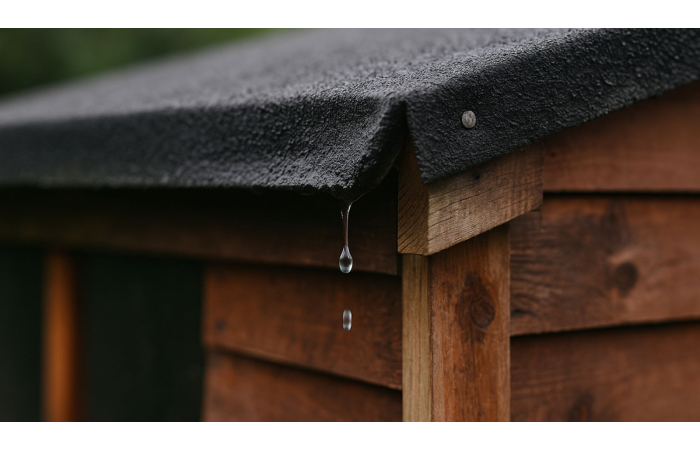
Most shed leaks start at the edges and joins - the ridge at the top, the overhangs at the sides and where sheets overlap. Make sure you’ve got the right pieces to cover and seal these areas.
Where to next?
Shed re-covers are undoubtedly one of the most popular DIY roofing jobs and once you've gotten to grips with the general prinicples discussed above, you should be more prepared to crack on with the job or to brief a tradeperson. For more info and ideas, check out our additional shed guides and links to products below.
Or if you'd rather have a chat, reach out to our friendly team, we’re happy to help you figure out exactly what you need.