Greenhouse Roofing Guide: How to Choose the Right Materials & is it a DIY Job?
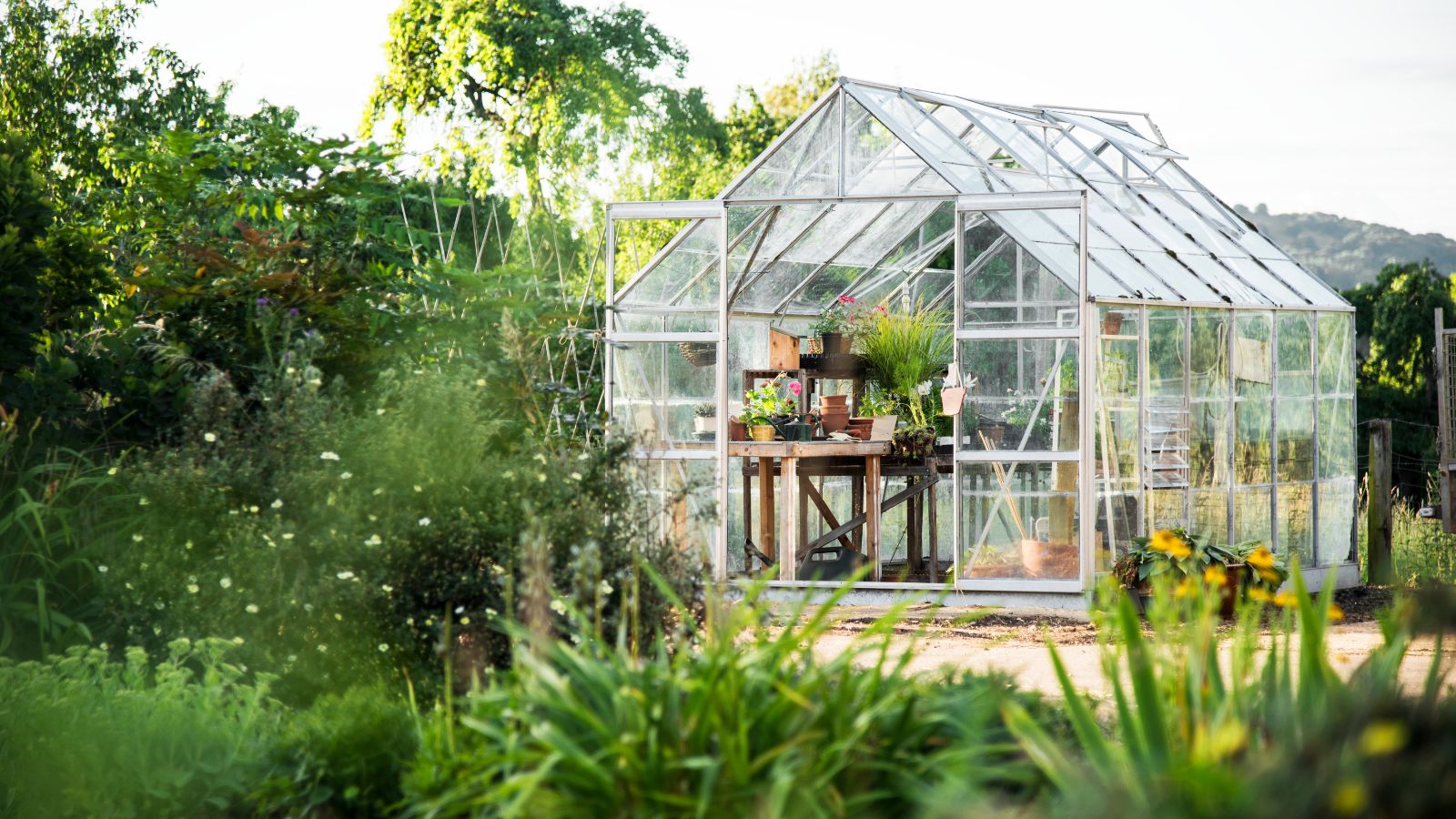
If your greenhouse roof is cracked, leaking, yellowing or simply past its best, it’s time to work out what to do next.
Often, a roof replacement is the simplest solution but the practical steps of choosing the right materials and making sure they’ll work can end up being more confusing than they should be.
Whether you’re planning to replace the roof yourself or you’re handing the job over to a tradesperson, you need to choose something that gives you the right balance of light and temperature to successfully nurture your plants and works with the frame you already have.
Keep reading to find out what you need to know so you can choose and buy the right replacement materials with minimum hassle.
In this article:
Roof replacement or the whole greenhouse?
Choosing the right greenhouse roof materials
Fixings and accesories you'll need to replace the roof
Can you DIY a greenhouse roof replacement?
First, work out if it's just the roof or the whole greenhouse that needs replacing
Before you start comparing greenhouse roofing, make sure it really is just the roof panels that need attention.
If the frame is still sound, the usual route is to replace the roof covering (sheets/panels) and the matching accessories needed to fit it properly.
In some cases, you may technically be able to reuse fixing parts of the existing setup if you’re keeping the same sheet thickness and everything is still in good condition. But you may not get the exact fit to make it weather-tight and/or may not meet the new sheet manufacturer’s warranty requirements. Replacement of fixing accessories if changing sheet manufacturer is highly recommended.
If the frame itself is bent, rotten, badly rusted or no longer holding everything securely, it usually means a full greenhouse replacement rather than a reroofing job (and you’ll need to check out a different article!).
Choosing the right greenhouse roofing for the structure and your needs
For most greenhouses, the roof choice is usually glass or polycarbonate (acrylic also exists but isn’t as impact-resistant as polycarbonate and rarely makes a better option).
Glass greenhouse roofs
Glass is the traditional option for a clear, classic greenhouse look that lets in plenty of light. If your greenhouse already has glass and you want to keep it looking the same, replacing it like for like may be the simplest route.
The downside is that glass is heavier and easier to break. That makes it less forgiving to handle, less practical for a DIY replacement and a weaker fit if you want something tougher and lower-fuss.
Glass is usually the better choice if:
- you want to keep a traditional greenhouse look
- your greenhouse was designed for glass
- you’re replacing existing panes like for like…
- …and someone is doing the job for you
Polycarbonate greenhouse roofs
For a lot of homeowners, though, polycarbonate roof sheets are the more practical option.
Poly is lighter than glass, much harder to break and generally easier to work with. That makes it a strong choice if you want a roof that feels durable and less vulnerable to everyday knocks, bad weather or awkward handling during fitting.
There are two main types to look into:
Solid polycarbonate
Solid polycarbonate is the closest thing to glass in appearance. It’s clear, strong and a good option if you want a neater, more glass-like finish without the same breakage risk.
What it doesn’t do is give you much help with temperature control. Because it’s a single solid sheet, it won’t help regulate greenhouse heat as well as multiwall polycarbonate.
Solid polycarbonate is usually worth considering if:
- you want a clear, glass-style finish
- you want something tougher than glass
- appearance matters more than improving temperature control
Twinwall and multiwall polycarbonate
This is the version most people mean when they talk about polycarbonate greenhouse roofing.
Because these sheets have multiple layers with air gaps between them, they can do a better job than glass or solid polycarbonate at reducing heat loss a bit and softening temperature swings. It won’t make the greenhouse insulated by any means, but it can make conditions a bit easier to manage, especially compared with single-layer glazing.
That’s why multiwall polycarbonate is often the better all-round choice if your greenhouse is used regularly, is fully exposed to the weather or you simply want something more practical than glass.
What polycarbonate thickness is best for a greenhouse?
As a rough guide:
· 4mm twinwall is usually the starting point for small, standard hobby greenhouses where you’re doing a simple like-for-like replacement and don’t need much more than basic weather protection.
· 6mm twinwall is often the safer all-round choice for a typical domestic greenhouse, because it gives you a bit more strength and a bit more help with temperature swings without pushing too far beyond what many standard frames can handle.
· 10mm multiwall is more likely to suit a larger greenhouse, a more exposed site or a setup where you want a sturdier, more substantial roof rather than the lightest option.
· 16mm multiwall is usually only worth considering if better temperature buffering is a priority and the greenhouse frame and glazing system are designed to take a much thicker sheet.
Going thicker isn’t automatically better and a thicker sheet only helps if your greenhouse is built for it. If the bars, channels or glazing system won’t take that thickness properly, it will create more problems than it solves.
What about solar-control glass, bronze or opal polycarbonate for greenhouses?
While solar-control glass and bronze and opal polycarbonate are sometimes chosen for conservatories, they’re usually not the first choice for greenhouse roofing because they all reduce or soften light to some degree.
In most greenhouse cases, you’re trying to maximise light rather than cut it back, so clear glazing tends to be the more natural fit. These other options are usually only worth considering where big glare or overheating is a bigger concern than getting maximum light levels.
Though if this is the case, then you probably need a more detailed spec for the whole construction and not just a roof replacement.
Work out the fixings and accessories you need to replace the roof
Roofing sheets and panels are rarely sold as a complete kit and you usually need to buy the extra fixing and finishing components separately (on this website you'll find relevant parts in "Complete your project" on each product page).
The reason for this is because there are so many variables depending on the size and dimensions of the sheets/specific roof layout and frame - so it has to be calculated bespoke each time. Check out our polycarbonate calculator here to easily work it all out or give us a call on 01295 565 565 and we can help you over the phone.
If you’re replacing glass with glass in a greenhouse that’s otherwise in good condition, you may only need new panes and the fixings or clips used to hold them in place.
If you’re moving from glass to polycarbonate, or replacing polycarbonate, the new sheets will most likely need a different way of being supported, fixed or sealed.
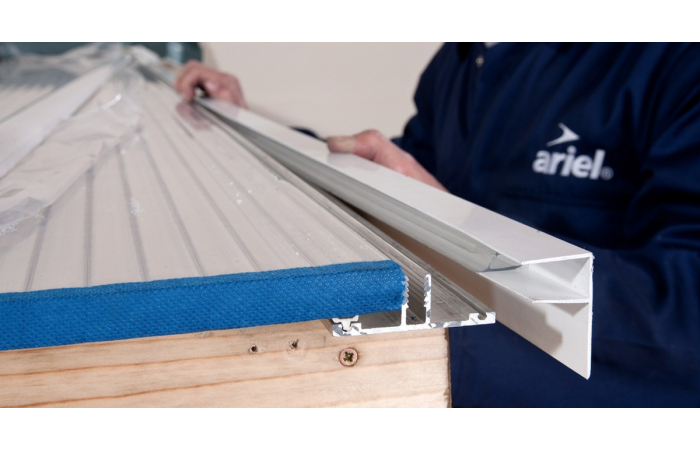
The main parts to look at are the ones that hold the glazing in place and finish the edges properly - these are what makes the roof fit properly and stay weather-resistant.
That may include:
- glazing bars
- clips or fixings
- sealer/breather tapes
- end closures
- edge trims or cappings
Can i use any branded fixing accessories with any polycarbonate roof panel?
As referenced upfront, it's important to note that polycarbonate roof panels usually work best with the fixings designed for that specific sheet and buying across brands may give an ineffective final result and/or void any warranties available.
That being said, if you're on a real budget, you're not changing thickness and the existing set of support accessories are still in good shape, you might be able to make it work (but you'll need to carefully check all the details and most likely forgo any guarantee if it doesn't work out).
For a quick breakdown on polycarbonate fitting accessories and finishing products you might need, check out this article section on the "the polycarbonate system".
Can I replace a greenhouse roof myself?
As mentioned earlier on, replacing glass is unlikely to be a DIY job.
But if you’re replacing polycarbonate like for like, it’s usually pretty manageable, especially on smaller structures.
Like any DIY roofing job it gets trickier the larger and less-standard the building is. If you're working with very large sheets they can also be awkward to position and secure, even though they’re lightweight.
Mostly it comes down to knowledge, preparation and general ability so once you've finished your research, you'll be able to make a call on whether it's something you want to take on.
How long will the new glass or polycarbonate greenhouse roofing last? And how do I look after them?
Glass can last a long time if it stays intact, which is one reason older greenhouses often still have their original glazing. The main weakness is breakage. If a pane cracks or shatters, that section usually needs replacing, even if the rest of the roof is still fine.
Polycarbonate is much harder to break, which makes it the more practical option for a lot of greenhouses. Over time, though, it can start to look tired in other ways. Although UV-protection is built in, older sheets may eventually become discoloured, more brittle or less effective than they were when first fitted.
That applies to both solid polycarbonate and multiwall polycarbonate, although multiwall sheets also rely on the condition of the surrounding seals, bars and edge details to keep performing well.
In terms of upkeep, both are fairly low-maintenance. The main things to watch are:
- dirt build-up
- loose fixings
- worn seals
- damaged or poorly fitting edge details
Where to next?
We hope we've answered some of your questions but don't hesitate to get in touch with our friendly team for bespoke help on your greenhouse project.
Or browse more ideas, guides and products below.