Choosing the Right Roofing for Industrial Units, Warehouses and Trade Buildings
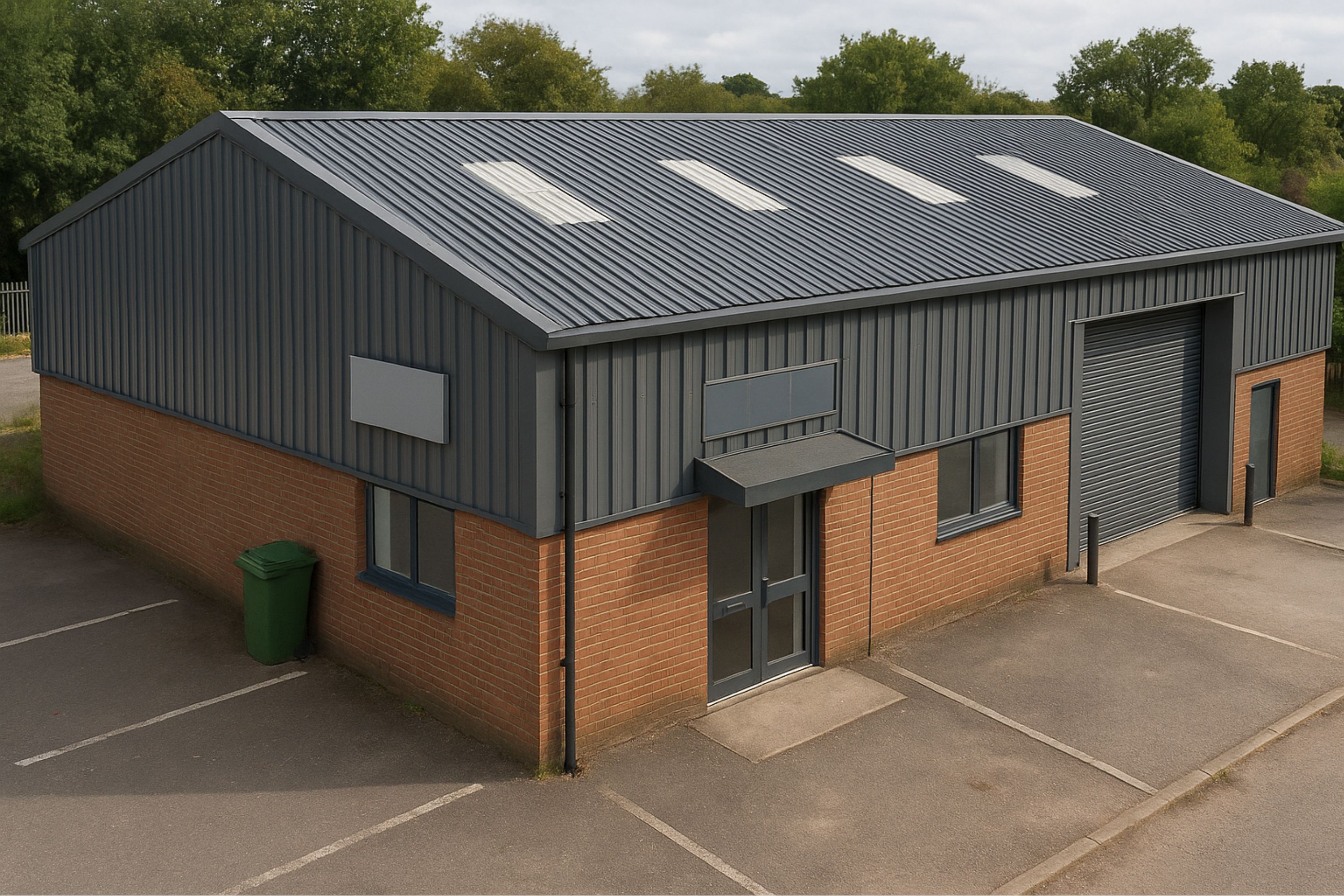
Roofing an industrial unit or warehouse comes with pressures that go beyond keeping the rain out. The roof has a direct impact on how your building looks, performs and holds up over time - whether you’re protecting stock, running a production space or meeting lease obligations. Disruptions because of a failing roof are something you can’t afford.
This guide focuses on pitched-roof industrial buildings - the kind typically found on UK business parks, estates and trade units and will tell you:
-
What really matters for the roof of each main type of commercial building
-
Which materials make the most sense (and which don’t)
What Roofing is Most Commonly Used for Industrial Units?
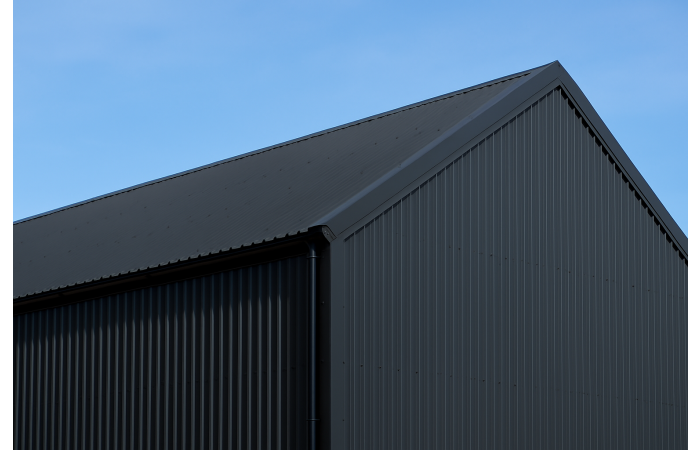
In many cases, box profile steel sheets are the go-to choice - strong, tidy-looking and reliable across large spans. But depending on what’s inside the building (and how it’s used), there are times when other options make more sense.
Jump to the relevant section below or scan for general guidance.
In this article:
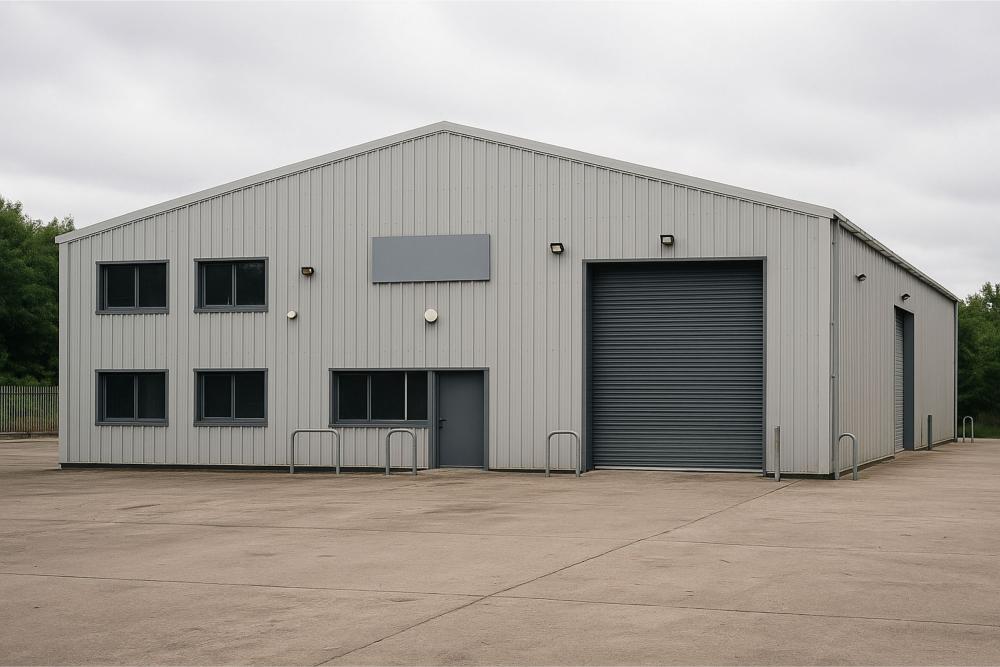
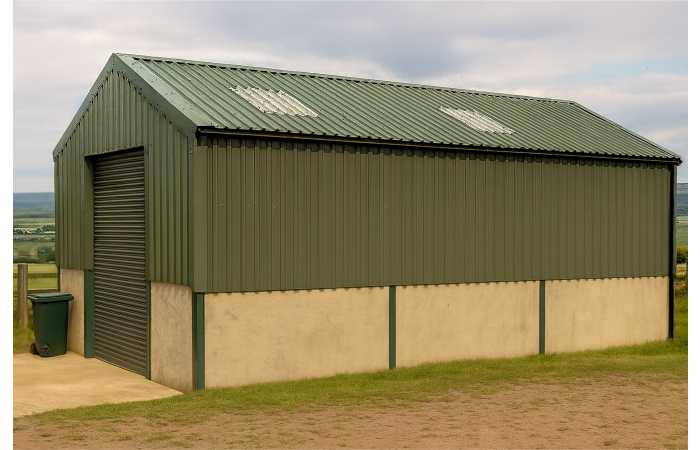
Warehouses are typically large, high-sided buildings used for dry storage, fulfilment or distribution. Some are owner-occupied, others are leased or part of multi-unit industrial parks. Most aren’t heated or insulated - but the contents still need protecting. The roof has to span wide areas, shed water quickly and hold up year-round without disruption to business operations.
Main roofing goals:
-
Cover large spans without sagging or leaks
These buildings often use wide bay spacing to maximise internal space. You’ll usually need a rigid sheet that’s designed to span wide bays without dipping - especially on older steel or concrete frames.
-
Keep stored goods dry and protected
Even uninsulated warehouses still need to be dry. Any leaking or condensation risks damaging stock, packaging or shelving - and could breach insurance terms.
-
Minimise disruption during re-roofing
Replacing a warehouse roof usually means working around existing contents or operations. Lighter-weight sheets and quick-fit systems help keep downtime to a minimum.
-
Choose a roof that won’t need checking every few months
Warehouses aren’t always monitored day to day. A coated, rust-resistant roof can reduce the likelihood of unexpected maintenance callouts or inspection issues.
Best roofing options for buildings like this:
-
Box profile steel sheets - Commonly used on large warehouse buildings for their strength and ease of use. They’re structurally strong, can span longer distances without sagging and hold up well in high winds - especially useful on exposed sites. Choose a coated finish (plastisol or polyester) for rust protection and add anti-condensation backing if the space is enclosed and uninsulated.
-
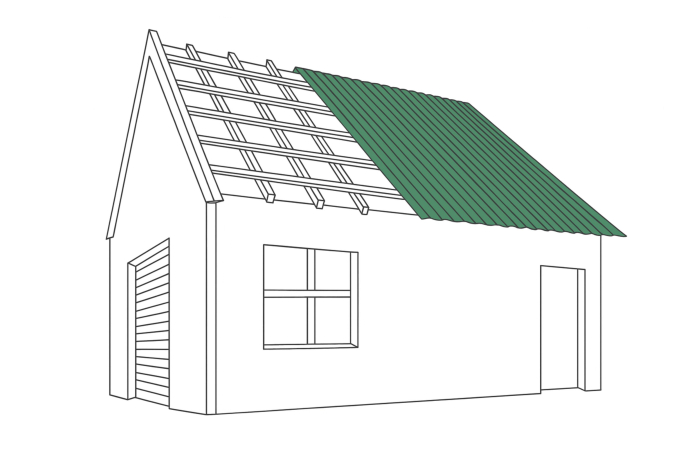
Corrugated steel sheets - Often still suitable for smaller or older units, especially if you’re matching existing profiles or working with lighter framing.
-
GRP rooflights - Useful for naturally lighting darker units without wiring in overhead lighting - especially for smaller operations or storage-only setups. Also worth considering for lean-tos or side extensions - these are usually roofed to match the main structure.
Avoid:
-
Bitumen or plastic sheets – Not designed for large spans or industrial use, even if they seem like a budget-friendly option. They won’t hold up in enclosed warehouse spaces.
Retail warehouses, trade counters, showrooms and branded units don’t just need to be watertight - they need to look the part, perform reliably and stay comfortable inside. These buildings are often visible from the road or car park and customers or staff spend time inside. So your roofing choice affects both how the building presents and how it feels to use.
This also applies to hybrid trade units, where a customer-facing counter sits at the front, with storage or workshop space behind. In these cases, the roof needs to balance good first impressions with the practical performance needed for day-to-day operations.
Main roofing goals:
-
Maintain a professional, well-kept appearance
Faded, mismatched, or rust-streaked panels make a poor impression. A smart, consistent roof reinforces your brand and helps meet estate or landlord expectations.
-
Limit noise in occupied areas
Bare metal roofing can be loud in heavy rain. If people work or shop inside, noise needs to be considered - especially in open-plan or uninsulated spaces.
-
Protect the building’s contents and interior
Leaks and condensation can damage stock, fittings or ceiling systems - and lead to downtime or complaints.
-
Choose reliable materials built to last
These units usually benefit from materials with a proven track record of long-term reliability. Frequent patch repairs or visual deterioration affect both usability and perceived quality.
Best roofing options for buildings like this:
-
Box profile steel sheets – Like many industrial commercial properties, a box profile roof often works best here too - its clean, modern finish looks professional from street level and meets the visual and structural standards expected on business parks or retail sites. Coated finishes (like plastisol or polyester) keep the roof looking clean and consistent. It’s not silent in bad weather, but most businesses manage sound with internal ceilings or insulation. If the roof is uninsulated and people or stock are inside, anti-condensation backing helps stop drips forming on cold or damp days.
-
GRP rooflights - Useful for lighting customer or staff areas without over-relying on artificial lighting. Keep them neat and well-aligned, especially if visible from the front elevation.
Note: Fibre cement sheets can offer better noise control in poor weather, but it’s less common on customer-facing units. The finish isn’t as modern as coated steel and it may not fit with the visual standards expected on retail parks or branded sites - but it might still suit rear elevations or lower-profile buildings.
Avoid:
-
Bare galvanised sheets - Cheaper upfront, but they dull quickly and rarely meet visual standards for front-facing units.
-
Unmatched or patchy repairs - A mix of profiles or colours draws attention to age and makes the whole building look neglected.
These buildings aren’t just for storage - they’re active, staffed spaces. Whether you're running machinery, assembling products or processing materials, the roof plays a direct role in how usable and comfortable the space is day-to-day. A bad roofing choice can lead to noise issues, moisture problems and even disruption to the work itself.
Main roofing goals:
-
Create a safe, usable internal environment
Inadequate roofing can contribute to poor working conditions. Dripping condensation or loud rain noise can interfere with tools, processes, or concentration - especially in uninsulated spaces.
-
Keep sound levels workable for staff
In unbacked metal buildings, heavy rain can make the roof sound like a drum. That’s distracting at best and unacceptable in jobs where focus or communication matters.
-
Let in natural light where needed
Many workshops don’t run full lighting during the day. Rooflights reduce energy costs and help visibility - particularly in deep or windowless units.
-
Support ventilation or mounted systems
These spaces often need extraction fans, ducting or other roof-penetrating systems. The roof needs to be compatible with functional upgrades over time.
Best roofing options for buildings like this:
-
Fibre cement sheets - A quieter, breathable option ideal for active spaces where people are working underneath. It naturally deals with moisture and helps take the edge off rain noise. Unlike customer-facing units, appearance usually isn’t a priority here, so fibre cement makes sense where function matters more than finish. They're also sometimes chosen where fire ratings or building regs call for it - though that depends on your specific setup.
-
Box profile steel sheets - Commonly used in light industrial builds for strength and speed of install. Choose a coated version (plastisol or polyester) to extend lifespan and add anti-condensation backing if the space is uninsulated. Keep in mind that metal sheets will make noise louder and may not be the best fit for very noise-sensitive environments.
-
Corrugated steel sheets - May be suitable when replacing an existing roof like-for-like or working with older or less rigid framing. Noise comment, same as above.
-
GRP rooflights - Useful for bringing in daylight and cutting lighting costs. Best used in moderation to avoid overheating or glare.
Avoid:
-
Unbacked metal sheets in working areas - Too loud in bad weather and prone to dripping in colder months.
-
Lightweight or decorative panels - Often not strong enough to support extraction systems or hold up to heavy use.
If you’re responsible for a unit that’s leased out or part of a larger commercial block, roofing choices are often about meeting obligations and avoiding disputes. That usually means choosing something durable, compliant and low-maintenance - but it’s also worth thinking about how the roof looks and performs next to neighbouring units.
Visual consistency and insulation often matter just as much as lifespan - especially if you're managing multiple properties or want to minimise tenant complaints down the line.
Main roofing goals:
-
Stay compliant with lease or insurer requirements
Many commercial leases include clauses around building condition and upkeep. A leaking or visibly failing roof may risk breaching lease terms – always check your specific agreement
-
Avoid reactive maintenance and callouts
Leased or multi-tenant units often go unmonitored. A roof that deteriorates quickly, rusts or causes drips will mean more urgent (and costly) interventions later.
-
Choose something with clear, predictable lifespan
Whether budgeting for maintenance or planning a handover, you want materials with a known performance track record - not guesswork or DIY fixes.
-
Keep visual standards consistent across multiple units
On larger sites or industrial estates, inconsistent repairs or mismatched finishes can affect property value and occupancy. Consistency matters - even on the roof.
Best roofing options for buildings like this:
-
Box profile steel sheets - A reliable, standardised solution used across most commercial estates. Coated finishes (plastisol or polyester) are strongly recommended to reduce visible wear, rust streaks and premature degradation. Anti-condensation backing is worth including in uninsulated units to avoid internal complaints or water damage.
-
GRP rooflights - Use sparingly to maintain appearance and limit structural breaks. Still useful for cutting lighting costs in tenant-run units.
Avoid:
-
Uncoated or mismatched repairs - Patchy fixes not only wear faster but can breach visual or quality standards set out in commercial lease agreements.
-
Low-spec or unknown materials - If the material has no proven lifespan or track record in commercial settings, it may introduce unnecessary risk.
Box profile steel sheets are definitely a standard choice for many industrial roofs but in some cases, they’re not the best fit. If you need better sound control, fire performance or something more breathable, other options like fibre cement might suit better.
Where to next?
Ready to shop products? Browse here:
Or browse our related guides below to keep exploring ideas.