Choosing the Right Roofing for Agricultural & Farm Buildings
There’s no one-size-fits-all when it comes to roofing farm buildings. A stable needs a quiet, breathable roof. A machinery shed needs strength and span. A log store needs airflow above all.
Whether you’re upgrading a working farm or building something new, this guide will help you work out the best direction for your project.
Is there a standout roofing material for most farm buildings?
Metal sheets - whether box profile or corrugated - are by far the most commonly used option. They’re tough, cost-effective and cover a lot of use cases. But the best roofing choice still depends on what your building’s used for - and not every material suits every job.
Jump to the section below that matches your setup to see what fits best
In this article:
What matters most in this type of structure
Barns are often multi-use - storing hay, feed, tools and/or machinery. Some are enclosed, others part-open and most are uninsulated. That means the roof needs to cope with large spans, changing airflow and long-term weather exposure.
Main roofing goals:
-
Cover wide gaps without sagging or leaks
You need a roof that’ll span bigger spaces and keep everything underneath dry – from hay to equipment.
-
Control moisture in enclosed barns
Trapped damp can ruin feed, rot timber or cause rust. Good airflow and the right materials help keep things dry.
-
Let in light where it’s needed
If there’s no electrics, you need to make sure natural light gets in to make day-to-day jobs easier - whether you’re stacking bales or checking supplies.
-
Fit and forget
Many barns aren’t checked daily. A roof that just gets on with the job saves time and avoids costly surprises later.
Best roofing options for barns like this:
-
Box profile or corrugated metal – Tough enough for wide spans. Box profile suits larger or wind-exposed sites; corrugated fits better on older or lightweight frames. Add anti-condensation backing if the barn’s enclosed and opt for a coated finish (like plastisol or polyester) if rust is a concern.
-
Fibre cement – Helps manage moisture and temperature in enclosed barns. A good pick if you’re storing hay or feed.
-
GRP rooflights – Almost completely see-through panels to let outside light in, useful for barns with no electrics, especially if you’re regularly working inside.
Avoid:
-
Lightweight or low-grade sheets - these may bow or rattle on wide gaps
-
Bitumen - not durable enough for larger agricultural builds
What matters most in this type of structure
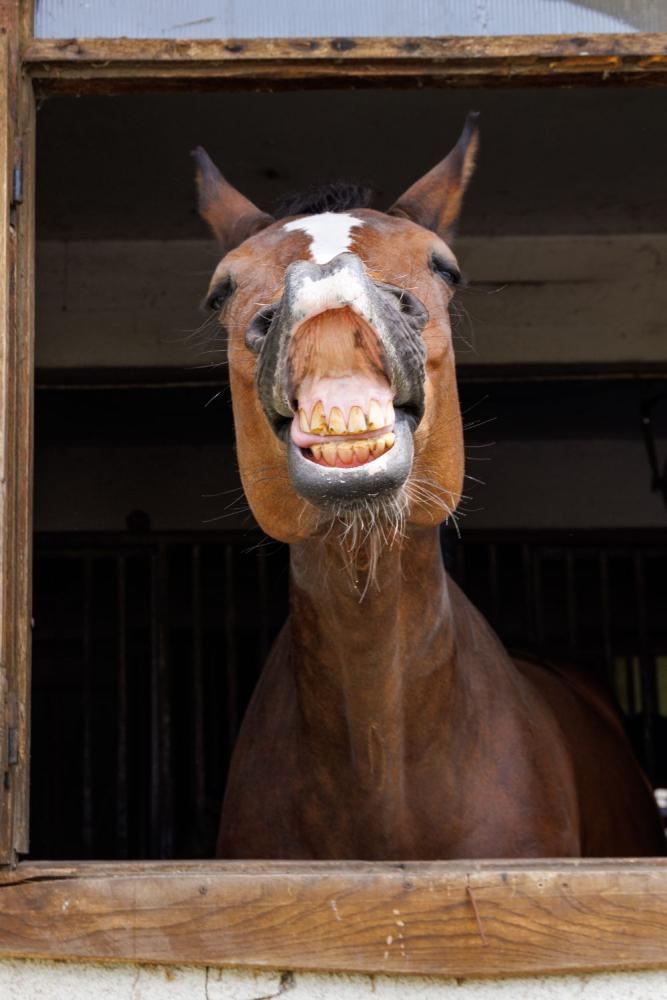
Not all animal shelters are the same - a stable housing horses overnight has very different needs to a field shelter for goats or a lambing shed used seasonally. But in every case, the roof plays a big part in keeping the space safe, calm and usable.
Stables, in particular, often need better control over noise, temperature and condensation - especially if they're enclosed and used all year round. Other shelters might be simpler or more open, but still need to stand up to daily use and unpredictable weather.
Main roofing goals:
-
Keep noise down in bad weather
Bare metal can drum in the rain. Horses, especially, are sensitive to noise - so a quieter roof helps keep them calm, particularly overnight or in storms.
-
Control condensation and drips
Moisture from bedding and body heat builds up quickly in enclosed shelters. If it hits a cold metal roof, it condenses, leaving damp, unhygienic surfaces.
-
Avoid extreme temperature swings
Thin sheets can make shelters too hot in summer and freezing in winter. Some materials regulate temperature better - key for animal comfort.
-
Let in light for daily jobs
Many shelters don’t have electrics. Rooflights help brighten dark interiors for mucking out, feeding or checking in early or late.
-
Keep things low-maintenance
Whether you’re running a yard or managing livestock, nobody wants to be fixing roof sheets mid-winter. Fit it once and it should stay put.
-
Fibre cement - One of the most popular choices for stables - quiet in the rain, breathable and great at handling moisture. It helps regulate temperature too, making it ideal for enclosed spaces or overnight use where animals need to stay calm and dry. It is fairly heavy - so best suited to timber or steel frames with solid rafters and purlins (larger, load-bearing horizontal supports). Not ideal for lightweight or DIY shelters unless the frame’s been specifically designed for it.
-
Box profile metal (with anti-condensation backing) - Tough, practical and lighter than fibre cement. The right backing helps prevent drips. A coated finish (like plastisol) adds rust resistance and extends lifespan. Note: these will still be noisier than fibre cement in the rain though. You could try and insulate for sound if the structure allows but it's not always ideal for horses or nervous animals.
-
GRP rooflights - Great for stables without power. Let in daylight for feeding, checks or cleaning - especially in winter.
Note on lighter-use shelters:
-
Bitumen or tile-effect sheets can work in the right setting. Tile-effect suits field shelters near homes where appearance matters. Bitumen sheets are easy to fit and lightweight, but less durable in exposed or high-use spaces - better for short-term or lower-traffic shelters.
Avoid:
-
Bare metal without a lining – It’s noisy, prone to dripping, and rarely suitable for enclosed or animal-occupied spaces.
What matters most in this type of structure
These buildings often house valuable kit - tractors, tools, feed or raw materials. They’re usually large, sometimes open-sided and don’t need to be cosy. But the roof still has a clear job: keep the contents safe, shed water fast and cope with whatever the weather throws at it.
Main roofing goals:
-
Span wide areas without sagging or leaks
These builds often have fewer supports, so you need a rigid sheet that won’t dip or let rain through over time.
-
Stand up to strong wind, rain and snow
Exposed sites or high-sided frames need a roof that’s not going to lift, rattle or buckle in bad weather.
-
Protect valuable kit from rust or water damage
A leaky or sweating roof can cause real damage to tractors, tools or stored materials - and cost you more in the long run.
-
Drain water safely away
Quick water runoff helps stop puddles forming near entry points - especially important if you’re driving in and out regularly.
-
Keep maintenance to a minimum
Once it’s up, it should stay up. You don’t want to be chasing loose panels or dealing with flaky coatings on a tight schedule.
Best roofing options for machinery stores like this:
-
Box profile metal - Strong, rigid and ideal for covering long runs with fewer supports. Fast to install and good at shedding water. Choose a coated finish (like plastisol or polyester) if you want better rust protection or the building is in an exposed spot.
-
Galvanised steel - A cost-effective option for oen-sided or lower-risk stores. Still weather-resistant, but more basic in appearance and lifespan.
-
GRP rooflights - Optional, but worth adding if you’re in and out during the day and don’t have lighting installed.
Avoid:
-
Lightweight or decorative sheets - Not built for wide spans, strong winds or heavy rain.
-
Bitumen - Too soft and short-lived for buildings of this size or value.
What matters most in this type of structure
These are light, functional builds - often put up quickly with whatever frame is to hand. You’re not trying to insulate or impress here. The job is simple: keep the rain off while letting air move freely, so your logs stay dry and your structure lasts.
Main roofing goals:
-
Keep rain off from above
A sloped, weatherproof sheet is all you need to stop logs from getting soaked or going soft over time.
-
Let air move through
Good airflow is essential for drying and storing firewood - you want the roof to protect, not trap damp.
-
Fit quickly and affordably, often solo
These builds are often one-person jobs. Lightweight, easy-to-handle sheets save time and effort.
-
Avoid anything too heavy for the frame
Overloading a simple timber rack with fibre cement or thick metal can cause sagging or instability. Stick to materials that suit the job.
Best roofing options for simple shelters like this:
-
Bitumen sheets - Lightweight, flexible and easy to cut to size. Ideal for quick, solo builds where airflow matters and full insulation isn’t needed.
-
Corrugated metal - A tougher choice for larger frames or windier spots. Still simple to fit but offers better long-term durability if the structure’s more exposed. May still be a bit heavy for more lightweight frames.
Avoid:
-
Fibre cement - Too heavy for basic timber frames and often overkill for this type of structure.
-
Over-specced finishes or upgrades - These builds just need to breathe and deflect rain. Don’t spend more than the job needs.
|
Material |
Verdict |
Justification |
|
Tile-effect metal sheets |
Not suitable |
Mostly aesthetic – aimed at residential or decorative use. Not cost-effective or practical for farm buildings. |
|
Clay or concrete tiles |
Not suitable |
Heavy, expensive and structurally impractical for most agri buildings. Needs a full rafter/tile batten system. Rarely, if ever, used. |
|
Shingles (felt or composite) |
Not suitable |
No structural value for open-span buildings. Only used on garden sheds or decorative outbuildings. |
|
PVC or polycarbonate sheets |
Not suitable |
Too lightweight for most farm buildings. Sometimes used on lean-tos, but not suited to wind or impact. |
|
EPDM / flat roof systems |
Not applicable |
Agricultural roofs are almost always pitched. Flat roofing not used in barns or open shelters. |
|
Green roofs / sedum systems |
Not applicable |
Irrelevant for agricultural purposes - more architectural/urban. |
What's next?
Ready to shop roofing? Roofing Megastore has a full range of high-quality roof sheets that are ideal for many agricultural builds. Take a look here:
Or browse more guides below to keep exploring ideas.